$8.77 Original price was: $8.77.$8.27Current price is: $8.27.
Red Anemone
Anemone multifida
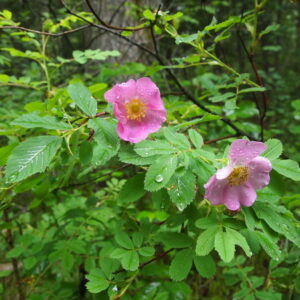
A delicate and beautiful native wildflower with finely divided foliage and striking red to deep pink flowers that bloom in late spring to early summer. The bright, cup-shaped blossoms sit atop slender stems, creating a vibrant display in open meadows, rocky slopes, and prairie landscapes.
The plant’s fern-like leaves form attractive clumps at the base, adding texture to natural plantings even after the flowers fade.
A Hardy Prairie and Meadow Wildflower
Red Anemone is well adapted to sunny, well-drained environments and can tolerate dry soils and exposed conditions. Its early-season blooms provide valuable nectar and pollen for native bees and other pollinating insects emerging in spring.
After flowering, the plant produces soft seed heads that disperse naturally, helping it slowly establish in suitable habitats.
A Plant of Open Meadows and Rocky Slopes
Red Anemone grows naturally in prairies, open fields, rocky outcrops, and alpine meadows. It thrives in full sun and well-drained soils, making it well suited for prairie gardens, rock gardens, and naturalized meadow plantings.
Its compact growth and bright flowers make it a standout addition to early-season native plant communities.
Growing Information
Height: 8–16 inches
Spread: 12–18 inches
Light: Full sun
Soil: Dry to average, well-drained soils
Hardiness: Zone 3–7
Growth Rate: Moderate
Best planted in prairie gardens, rock gardens, dry meadows, and naturalized landscapes.
Ecological Importance
Red Anemone:
Provides early-season pollen and nectar for native bees
Supports early pollinator activity in prairie ecosystems
Adds diversity and seasonal color to meadow habitats
Helps strengthen native plant communities
Associated Prairie & Meadow Species
Common companions in natural prairie plant communities include:
• Prairie Smoke (Geum triflorum)
• Butterfly Weed (Asclepias tuberosa)
• Field Pussytoes (Antennaria neglecta)
• Little Bluestem (Schizachyrium scoparium)
• Black-eyed Susan (Rudbeckia hirta)
• Smooth Blue Aster (Symphyotrichum laeve)
Planting these species together helps recreate resilient prairie ecosystems that support pollinators, birds, and beneficial insects.
Planting to Protect
Restoring to Thrive ?
Origin Native Plants ?
3.5 inch Pots ?
12 in stock