$22.00 Original price was: $22.00.$20.00Current price is: $20.00.
Swamp Rose
Rosa palustris
A beautiful native shrub that produces large soft pink flowers in early to mid summer. The open, five-petaled blooms reveal bright yellow centers rich with pollen, attracting many species of bees and other pollinators.
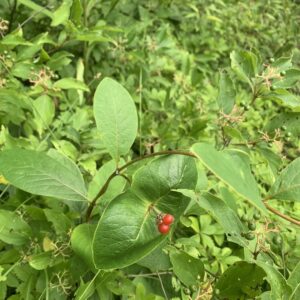
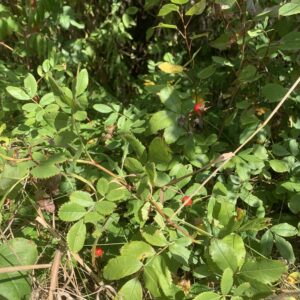
Following the flowering period, the plant develops bright red rose hips in late summer and fall. These fruits persist into winter and provide an important food source for birds and wildlife.
A Classic Native Wetland Shrub
Swamp Rose grows with arching stems that form loose thickets in moist habitats. Its finely toothed leaves and graceful branching structure create excellent shelter for birds and small animals.
Unlike many ornamental roses, this native species is highly resilient and supports a wide range of pollinators and beneficial insects.
A Plant of Wetlands and Moist Meadows
Swamp Rose grows naturally in marshes, wet meadows, stream edges, and forested wetlands where soils remain moist throughout the growing season. It thrives in full sun to partial shade and can tolerate seasonal flooding.
Its strong root system helps stabilize soils while its flowers and fruits support wildlife.
Growing Information
Height: 4–6 ft
Spread: 4–6 ft
Light: Full sun to part shade
Soil: Moist to wet soils
Hardiness: Zone 3–8
Growth Rate: Moderate
Best planted in rain gardens, wet meadows, pond edges, hedgerows, and wildlife habitat plantings.
Ecological Importance
Swamp Rose:
Provides nectar and pollen for native bees and pollinating insects
Produces rose hips eaten by birds and wildlife
Creates dense habitat for nesting birds
Helps stabilize soils in wetland environments
Associated Wet Meadow & Wetland Species
Common companions in natural plant communities include:
• Swamp Milkweed (Asclepias incarnata)
• Joe Pye Weed (Eutrochium maculatum)
• Blue Flag Iris (Iris versicolor)
• New England Aster (Symphyotrichum novae-angliae)
• Blue Vervain (Verbena hastata)
• Boneset (Eupatorium perfoliatum)
• Common Elderberry (Sambucus canadensis)
Planting these species together helps recreate resilient wetland ecosystems that support pollinators, birds, and beneficial insects.
Planting to Protect
Restoring to Thrive 🌱
Origin Native Plants 🌱
1 Gallon Pots
.
4 in stock