$18.00 Original price was: $18.00.$17.50Current price is: $17.50.
🌿 Red Elderberry
Sambucus racemosa ssp. pubens
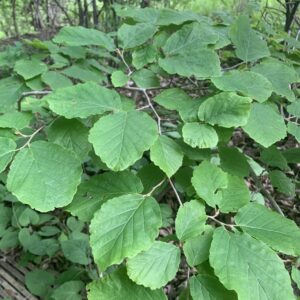
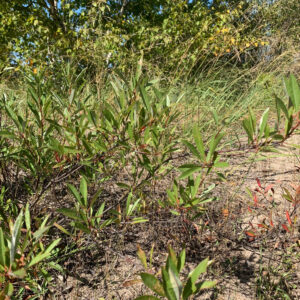
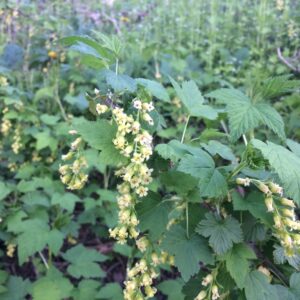
A fast-growing native shrub known for its early spring flower clusters and bright red berries that appear in early summer. Upright panicles of creamy white flowers bloom before many other shrubs leaf out, providing an important early nectar source for pollinators.
By early summer, the flowers develop into dense clusters of brilliant red berries that create a striking display against the bright green foliage.
A Dynamic Woodland Shrub
Red Elderberry grows quickly and forms loose thickets that provide shelter and nesting habitat for birds and small wildlife. The berries are consumed by many bird species, helping disperse seeds across forest landscapes.
Because of its rapid growth and ecological value, it is often used in habitat restoration and naturalized plantings.
A Plant of Forest Edges and Moist Woodlands
Red Elderberry grows naturally in moist forests, woodland clearings, ravines, and stream edges. It thrives in part shade but can also grow in full sun when soil moisture is adequate.
Its adaptability and ability to colonize disturbed areas make it valuable for restoring forest edge habitats.
Growing Information
Height: 6–12 ft
Spread: 6–10 ft
Light: Full sun to part shade
Soil: Moist to average soils
Hardiness: Zone 3–7
Growth Rate: Fast
Best planted in woodland edges, hedgerows, restoration plantings, and wildlife habitat gardens.
Ecological Importance
Red Elderberry:
Provides early nectar for bees and pollinating insects
Produces berries eaten by many bird species
Creates shelter and nesting habitat for wildlife
Helps restore disturbed woodland edge environments
Associated Woodland Edge Species
Common companions in natural woodland edge plant communities include:
• Snowberry (Symphoricarpos albus)
• Wild Columbine (Aquilegia canadensis)
• White Wood Aster (Eurybia divaricata)
• Large-leaved Aster (Eurybia macrophylla)
• Wild Geranium (Geranium maculatum)
• Smooth Blue Aster (Symphyotrichum laeve)
• Showy Goldenrod (Solidago speciosa)
Planting these species together helps recreate resilient woodland edge ecosystems that support pollinators, birds, and beneficial insects.
Planting to Protect
Restoring to Thrive 🌱
Origin Native Plants 🌱
1 Gallon Pots 🌱
7 in stock