$8.00 Original price was: $8.00.$7.77Current price is: $7.77.
Large-leaved Aster
Eurybia macrophylla
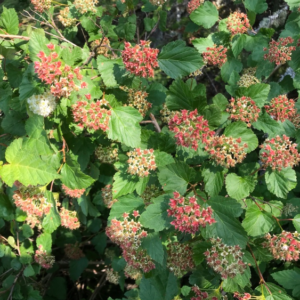
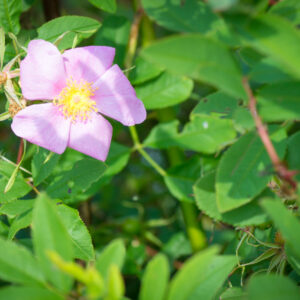
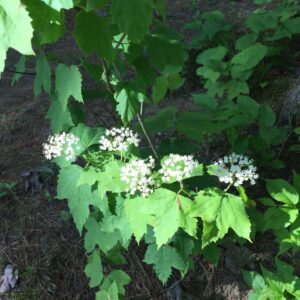
A graceful woodland wildflower known for its broad, heart-shaped leaves that form lush green carpets across the forest floor. In late summer, slender stems rise above the foliage carrying delicate clusters of pale lavender to white star-shaped flowers with golden centers. Large-leaved Aster brightens shaded woods when many spring flowers have long faded.
thrives quietly beneath the canopy where dappled light filters through tall trees. In Anishinaabe knowledge, woodland asters are part of the gentle late-season renewal of the forest, feeding small pollinators and insects while the land transitions toward autumn.
A Wildflower of Forest Floors
Large-leaved Aster grows naturally in deciduous forests, woodland edges, and shaded slopes where rich leaf litter creates cool, fertile soil. Its large basal leaves help protect the soil, conserve moisture, and support the forest ecosystem.
Growing Information
Height: 1–3 ft
Spread: 2–3 ft (slowly forming colonies)
Light: Part shade to full shade
Soil: Rich, well-drained woodland soil
Hardiness: Zone 3–8
Growth Rate: Moderate (spreading by rhizomes)
Best planted in woodland gardens, forest restorations, shaded native plantings, and naturalized understories.
Ecological Importance
Provides late-season nectar for woodland bees and butterflies
Forms dense leaf cover that protects forest soils
Supports insect biodiversity in shaded ecosystems
Creates habitat structure for beneficial forest insects
Larval host for
• Pearl Crescent Butterfly (Phyciodes tharos)
• Wavy-lined Emerald Moth (Synchlora aerata)
• Harris’s Three-spot Moth (Harrisimemna trisignata)
Associated Woodland Species
Common companions in natural forest plant communities include:
• Trillium (Trillium grandiflorum)
• Wild Ginger (Asarum canadense)
• Blue Cohosh (Caulophyllum thalictroides)
• Jack-in-the-Pulpit (Arisaema triphyllum)
• Foamflower (Tiarella cordifolia)
• Canada Anemone (Anemone canadensis)
• Christmas Fern (Polystichum acrostichoides)
Planting these species together helps recreate healthy woodland ecosystems and layered forest habitats.
Planting to Protect
Restoring to Thrive ?
Origin Native Plants ?
3.5 inch Pots
Out of stock