$22.00
Highbush Blueberry
Vaccinium corymbosum
1 Gallon Pot
A cornerstone species of eastern North American ecosystems, Highbush Blueberry is a multi-season standout that delivers edible abundance, wildlife value, and serious ecological horsepower. This upright, long-lived shrub is as at home in restoration plantings as it is in edible landscapes, hedgerows, and naturalized gardens.
Description
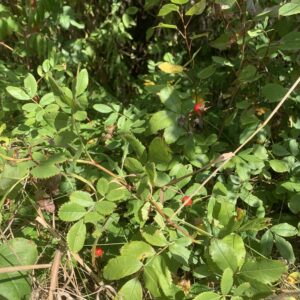
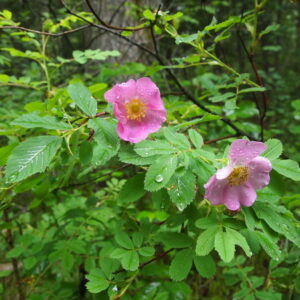
Highbush Blueberry is a deciduous shrub typically reaching 1.5–3 m (5–10 ft) in height, with an open to rounded form. In spring, it produces delicate white to pale pink bell-shaped flowers that are highly attractive to native bees. Summer brings clusters of sweet, nutrient-dense blueberries, followed by spectacular red, orange, and burgundy fall colour. Smooth gray stems and fine branching give winter interest as well.
Growth Conditions
Thrives in bog margins, swales, open woodlands, and forest edges, especially where soils are rich in organic matter.
Ecological Value
Highbush Blueberry is a keystone ecological species. Its early flowers support a wide range of pollinators, including specialist native bees. The fruit feeds birds, small mammals, and humans alike, while dense branching provides nesting and cover habitat.
Larval Host Value
Vaccinium corymbosum is an important larval host plant. It supports the caterpillars of several native moths and butterflies, including:
These insects, in turn, fuel bird populations, making blueberry shrubs a quiet engine of food-web stability.
Edible & Cultural Uses
The berries are rich in anthocyanins, antioxidants, fiber, and vitamins, long valued by Indigenous peoples for food and medicine. Fruits can be eaten fresh or used in preserves, baking, drying, and freezing.
Pairs Well With
Together, these species create resilient, pollinator-rich, edible habitat layers.
Why Plant It
Plant Highbush Blueberry to restore soil health, support pollinators, feed wildlife, and harvest real food — all while enjoying unmatched seasonal beauty.
1 Gallon Pot
32 in stock