$9.77 Original price was: $9.77.$8.50Current price is: $8.50.
Dwarf Raspberry
Rubus pubescens
A delicate, low-growing native woodland plant that produces small white flowers in late spring followed by bright red raspberries in early summer. The berries resemble miniature raspberries and are sweet and edible, enjoyed by both wildlife and people.
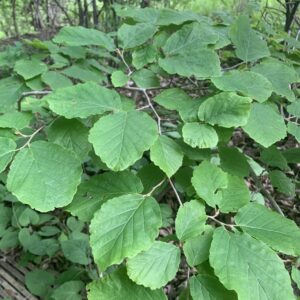
Slender stems with soft green leaves spread gently across the forest floor, forming loose colonies that blend naturally into woodland plant communities.
A Subtle Woodland Fruit
Dwarf Raspberry grows close to the ground, typically forming small patches among mosses, ferns, and woodland wildflowers. The plant’s fine stems and soft foliage create a natural ground layer that adds diversity and texture to forest ecosystems.
Its small flowers attract native bees and other pollinating insects in the spring, while the fruits provide food for birds and small mammals in early summer.
A Plant of Cool Forest Floors
Dwarf Raspberry grows naturally in moist deciduous forests, shaded clearings, and woodland edges where soils are rich with organic matter. It thrives in partial shade and cool, moist conditions.
Because of its gentle spreading habit and edible fruit, it is a wonderful addition to woodland gardens and forest restoration plantings.
Growing Information
Height: 6–12 inches
Spread: 1–2 ft (forming small colonies)
Light: Part shade to full shade
Soil: Moist, rich woodland soils
Hardiness: Zone 3–7
Growth Rate: Moderate spreading groundcover
Best planted in woodland gardens, forest restorations, shaded borders, and naturalized understory plantings.
Ecological Importance
Dwarf Raspberry:
Provides nectar for native bees and pollinating insects
Produces edible berries for birds and small mammals
Adds diversity to woodland groundcover layers
Supports healthy forest ecosystem structure
Associated Woodland Species
Common companions in natural woodland plant communities include:
• Wild Ginger (Asarum canadense)
• Maidenhair Fern (Adiantum pedatum)
• White Wood Aster (Eurybia divaricata)
• Large-leaved Aster (Eurybia macrophylla)
• Foamflower (Tiarella cordifolia)
• Woodland Phlox (Phlox divaricata)
• Jack-in-the-Pulpit (Arisaema triphyllum)
Planting these species together helps recreate layered woodland ecosystems that support pollinators, insects, and forest wildlife.
Planting to Protect
Restoring to Thrive 🌱
Origin Native Plants 🌱
3.5 inch Pots 🌱
Out of stock