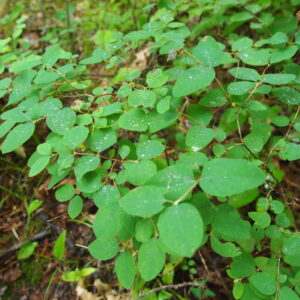
Common Ninebark
Physocarpus opulifolius
A hardy native shrub known for its clusters of small white flowers that appear in late spring to early summer. The blossoms form rounded domes and are rich with nectar and pollen, attracting many species of native bees, butterflies, and beneficial insects.
Following the flowers, the plant produces small reddish seed capsules that persist into late summer and fall, providing additional interest and food for wildlife.
A Tough and Adaptable Native Shrub
Common Ninebark grows as a dense, arching shrub with distinctive peeling bark that gives the plant its name. As the stems mature, layers of bark peel away revealing different shades beneath, creating attractive winter texture.
It forms broad thickets that provide shelter and nesting habitat for birds while supporting a wide diversity of insects.
A Plant of Forest Edges and Stream Banks
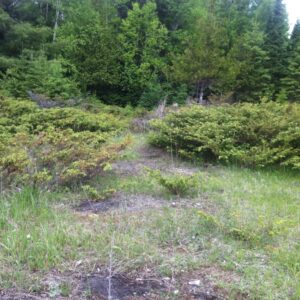
Ninebark occurs naturally along riverbanks, woodland edges, thickets, and open forests. It thrives in full sun to partial shade and tolerates a wide range of soils, from dry upland sites to moist streamside environments.
Its strong root system helps stabilize soil and prevent erosion along slopes and waterways.
Growing Information
Height: 5–10 ft
Spread: 5–8 ft
Light: Full sun to part shade
Soil: Dry to moist, well-drained soils
Hardiness: Zone 3–7
Growth Rate: Moderate to fast
Best planted in hedgerows, woodland edges, rain gardens, erosion control plantings, and wildlife habitat landscapes.
Ecological Importance
Common Ninebark:
Provides nectar and pollen for native bees and pollinating insects
Creates dense habitat for birds and small wildlife
Helps stabilize soils along slopes and waterways
Supports a wide variety of native insects
Associated Woodland Edge & Moist Meadow Species
Common companions in natural plant communities include:
• Common Elderberry (Sambucus canadensis)
• Joe Pye Weed (Eutrochium maculatum)
• Swamp Milkweed (Asclepias incarnata)
• Blue Flag Iris (Iris versicolor)
• New England Aster (Symphyotrichum novae-angliae)
• Boneset (Eupatorium perfoliatum)
• Red Osier Dogwood (Cornus sericea)
Planting these species together helps recreate resilient woodland edge and riparian ecosystems that support pollinators, birds, and beneficial insects.
Planting to Protect
Restoring to Thrive 🌱
Origin Native Plants 🌱
1 Gallon Pots